
Autofocus for your cinema lenses? Yes please - Viltrox Nexusfocus F1 review
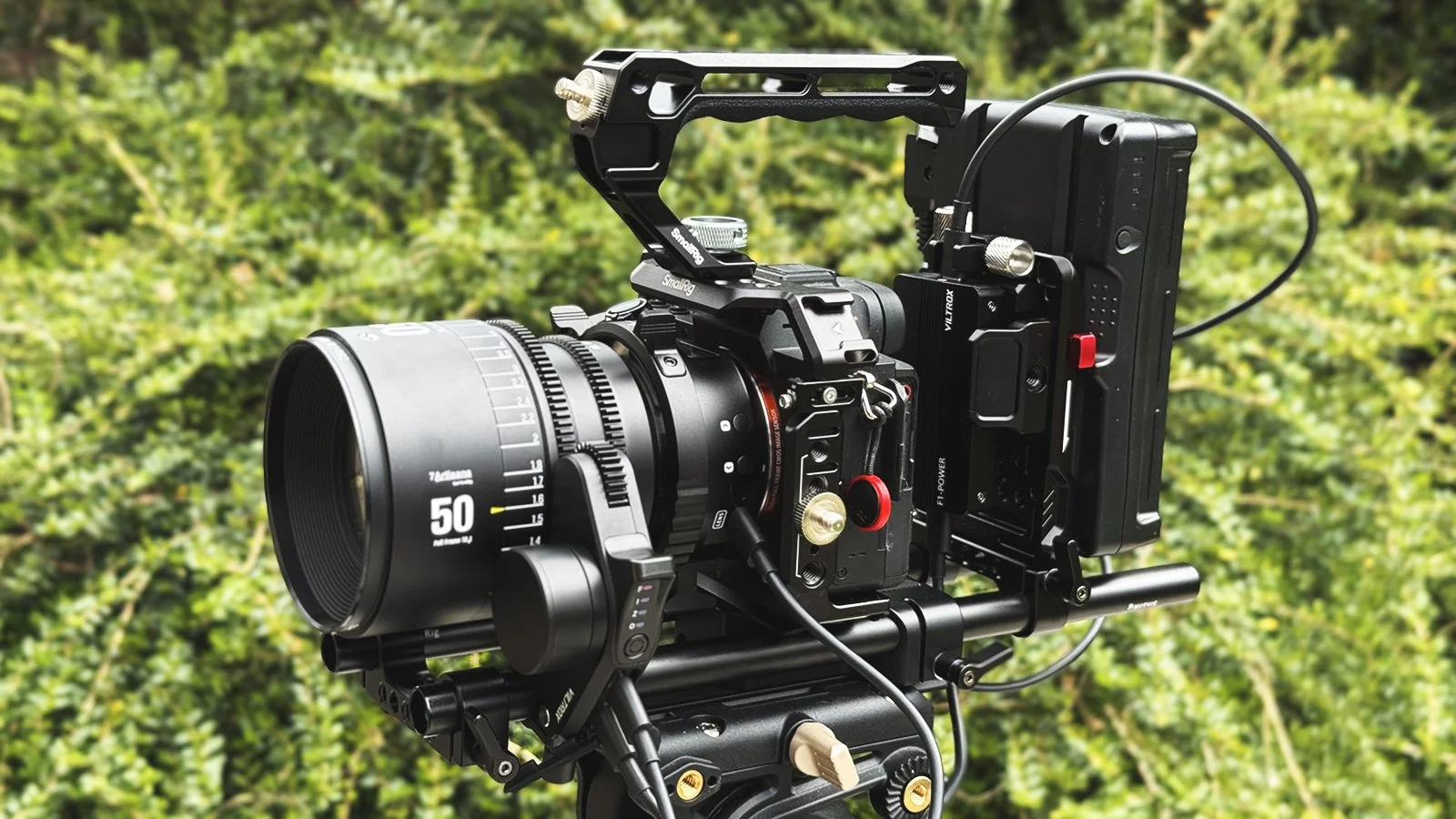
Although the need for rigging does increase the overall size, it’s still pretty manageable.
Verdict
If you are a Sony shooter and use cine lenses (in PL mount) then the F1 is for you. It’s affordable. performs as good as your Sony’s auto focus and means one person filming is easier than ever. The rugged build quality is confidence inspiring and. bar a couple of niggles, the design is exceptional too.
Viltrox Nexusfocus F1 - What and why?
Do you use Sony cameras for your video work, combined with PL mount cine glass? If the answer is yes, then read on, as the F1 is only available for this pairing, for now.
In essence the F1 is a lens adapter and focus motor combo that sits between your camer and lens, giving it all the capabilities of E mount autofuc lenses but with the look and feel, as well as physical attributes, of cine lenses.
The benefits of this are pretty clear. Not only do you get the picture characteristics of your favourite lenses but you get them without the need for an AC. Or you can use them in situations you might not have been able to previously. For run and gun type shooting this could be a blessing.
There’s also a power distribution block which, while small, could do with a little refresh but more on that later.
Having used the F1 in earnest for some time I have some thoughts…
Viltrox Nexusfocus F1 - Quality and handling
The F1 ships in a nice semi-rigid case, which houses the motor, the adapter and cables to hook everything up. Thoughtfully, Viltrox has recut slots in the foam in case you wish to add motors for iris and/or zoom.. Each component is very well made, although I’d like to see locking USB-C ports, especially important for high traffic areas, where your hands will be in and out fairly frequently. But, that aside, the design is great and the finish is excellent.
The adapter fits very snugly onto my A7Riv, with zero slop. Not something that can be said for all adapters. Likewise the PL side of the adapter is equally well machined and each lens I tried fit perfectly. The adapter has a small screen on top, along with buttons to select lens profiles, a USB-C port for control and one for updating firmware. These feel good but, like I mentioned, could do with locks. The only issue I have with the adapter is the screen’s location. On a device this size options are limited and on top feels best placed but I found it hard to see easily, as my cage and top handle obscure the view somewhat. But in reality, this is less of an issue, as you don’t often need to see it and you can load profiles from the app.
The motors are pretty slim and have a switch that defines which side of the lens it is mounted too. This is a neat touch, as I think many users will use both sides and this might even be a necessity for those using smaller lenses and all three motors, in a FIZ setup. There’s a fairly wide torque range for the motors, making them easy to adjust for various lenses and tightness of rings.
Now, the F1 does need some kind of rig, which is to be expected. For me I used my small rig cage, a top handle and a baseplate with rod attachments, along with a rod mounted battery plate. As you might have guessed this makes a small camera rather larger and heavier but if you’re shooting video that isn’t necessarily a bad thing. A little extra weight can reduce micro jitters and even with everything bolts on it doesn’t become unmanageable.
The F1 requires power and this really needs to be from a V-mount battery. Luckily a D-Tap to USB-C cable is included, although it is a bit lengthy. The power goes into the power management box then on to the different components, daisy chaining along the way. I did wonder if a power bank could be used for this but there’s no mention of doing it from Viltrox, so I avoided testing, just in case.
All in all a very well made kit, with only minor niggles.
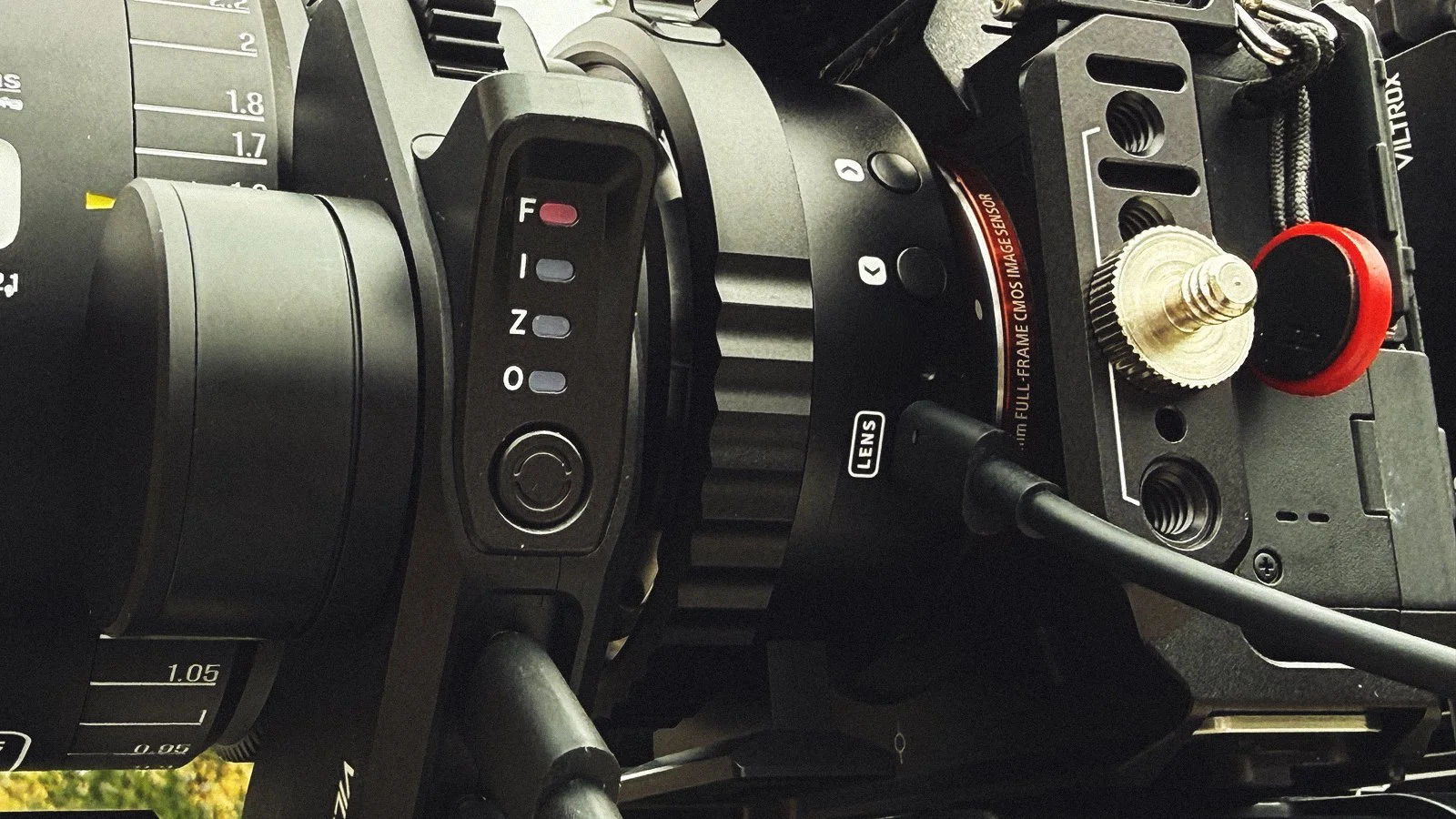
The quality of fit and finish is exceptional.
Performance
Setup is pretty straight forward, once you have a cage on your camera. The attachment points are all strong and sturdy, cables feel good quality and the adapter itself is rock solid. The only element I’m not keen on is the power management box. It' has a single 1/420” on one side which means finding a place for it to sit comfortably and not get in the way can be tricky. It’s not a deal breaker by any means but I’d rather it had a couple more threaded holes. In the end I used a small rig SSD holder, bolted to the back of the battery mount, which worked well as it has a lock for the USB-C cable. Another option would be to use a bungie or some velcro but, considering the build quality of everything else, this would feel a little under par.
Once everything is in place you can open the rather good Nexus Focus app, where you can load lens profiles, either from a library or a customo profile for lenses that aren’t yet included.
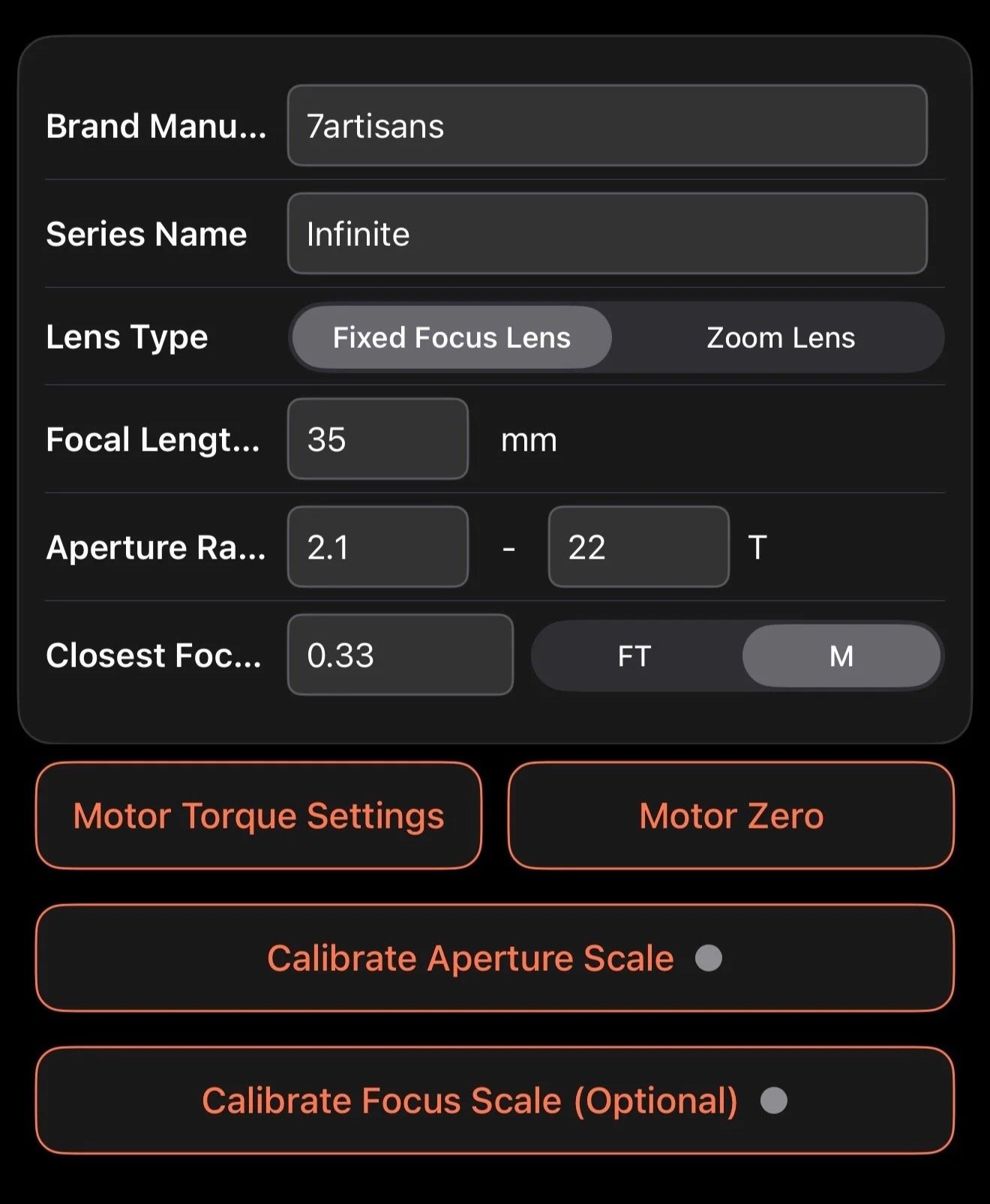
The app connects via bluetooth and makes it easy to add lenses to your setup.
Here you can calibrate the motors and define start and end points for gears, T stops and so on. It only takes a few minutes to complete and once you’re happy you hit save and that lens profile can be sent to the adapter vie bluetooth.
At this point you are ready to start shooting and the real fun begins. I was blown away but he pfocus performance of the F1. It’s snappy and accurate and doesn’t miss a beat. This is because it isn’t doing the heavy lifting itself. It uses the Sony focus tools from the body and translates that, via your lens profile, to adjust the lens. It’s a fantastic system that does a great job. I have no way to measure the reality but it feels damned close to using a native E mount lens. What I really appreciate is that face and eye detection seem to work perfectly well, which I wasn’t overly confident about going in. Having those tools but with the character of my favourite lenses is huge!
I have other options for similar situations. Most notably my DJI Focus Pro, which is a great bit of gear but adds even more bulk and has disadvantages when shooting close up, where Lidar can have parallax issues, depending on the mounting point. The F1 is all controlled through the lens, using the exact framing you want, so those pitfalls don’t exist. The trade off is the Focus Pro has a fantastic handle, with controls, which I’m very fond of.
Overall I’m very impressed by the F1. Being able to rely on all the tools Sony offers in the camera, while getting the image I love from my Pl glass is a real treat and I imagine I will be making the most of this setup for some time to come.
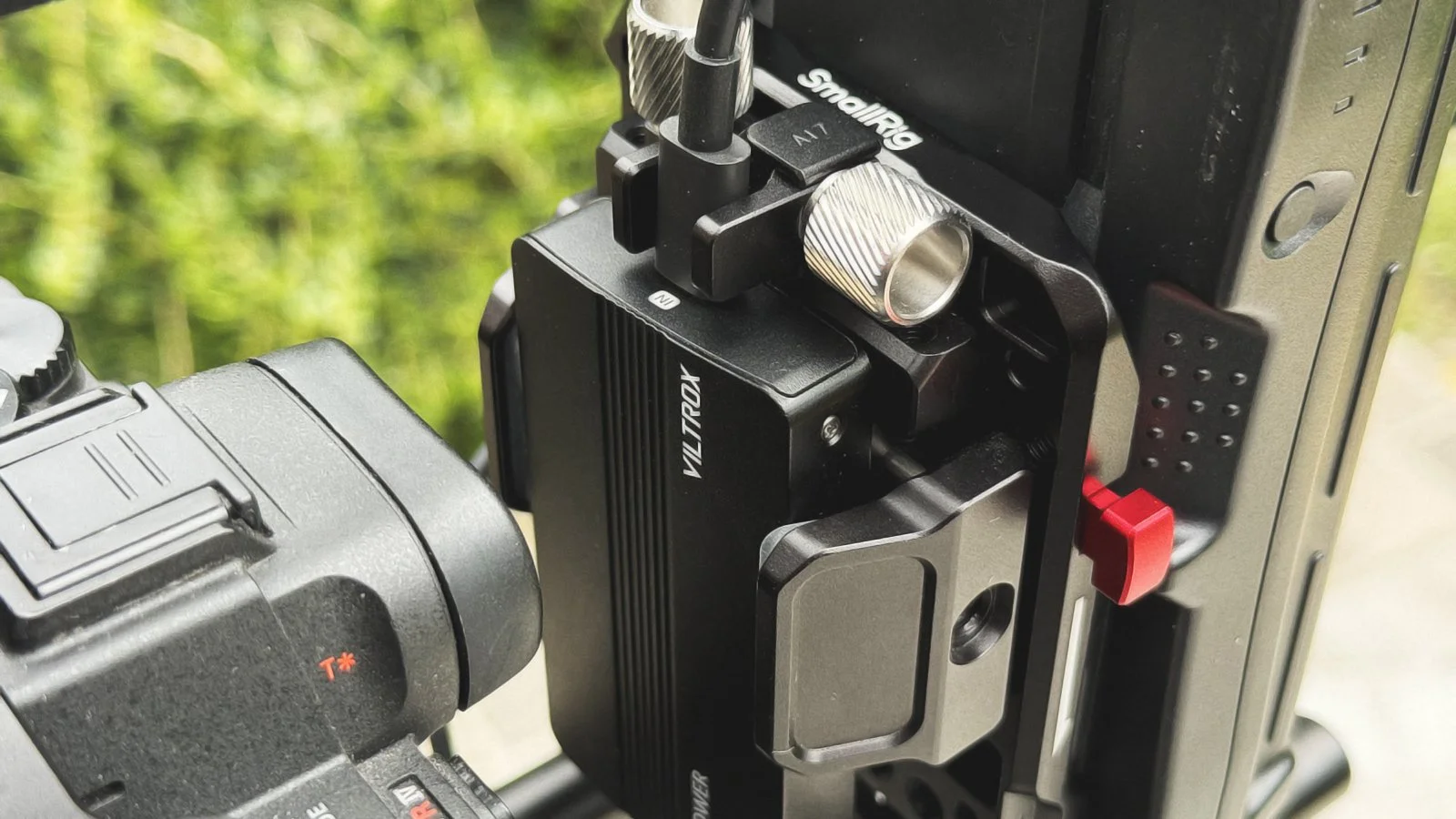
My solution to locating the power block.